

Reduce excess stock without creating shortages.
Connect material planning, stock visibility and procurement follow-up so teams can act on requirements in context.
Manufacturing ERP · Business understanding, engineered in.
Your processes, constraints and customer commitments shape your operation. ISA starts by understanding them—then connects planning, materials, production, quality and cost around the way your business needs to work.
For manufacturing leaders, operations teams and the people shaping the next system.
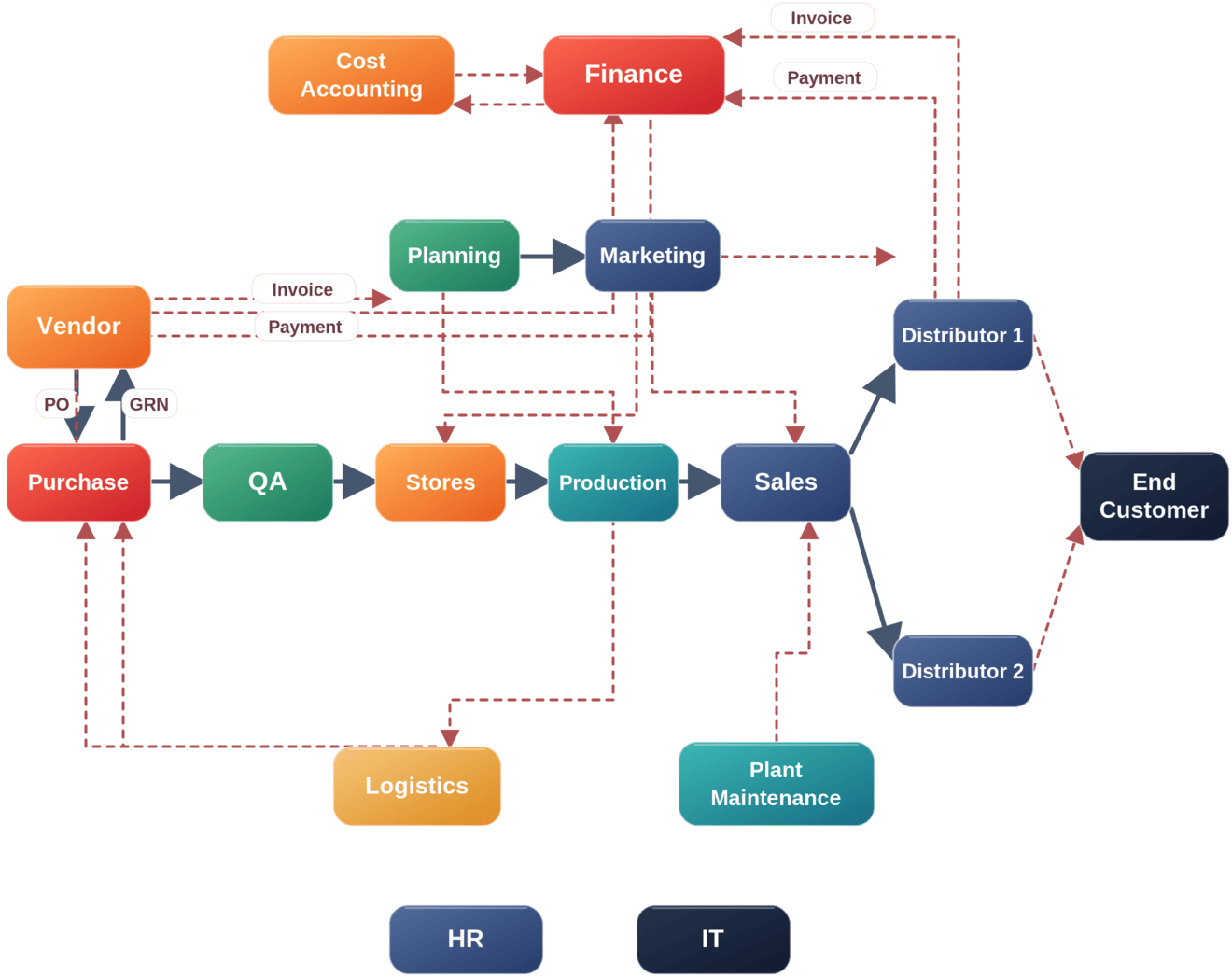
Start with the workflows, constraints and exceptions that matter.
Keep materials, production, quality and delivery in context.
Connect operational activity with cost and commercial decisions.
Start with the operating problem
When material, production and commercial records sit apart, the consequence often appears before the cause. Bring the context together while there is still time to act.
Connect material planning, stock visibility and procurement follow-up so teams can act on requirements in context.
Keep inspections, deviations and traceability records connected to the material, order and stage where they matter.
Relate customer orders to material availability, production progress and dispatch readiness before confirming the next action.
Bring material consumption, production activity, variances and commercial context into the same management review.
Management needs leading signals, too. Surface constraints and deviations while there is still time to investigate, assign an owner and respond.
The connected operating picture
Keep demand, purchasing, stock, production, inspection and cost connected. Define the detailed workflows and record coverage with your team.
Relate demand, bills of materials, routing, capacity and work orders so a change can be assessed before execution.
Connect requirements, stock availability, purchasing, material issues and consumption to support more appropriate inventory decisions.
Build inspections and traceability records into the process so deviations remain connected to the material, order and work stage.
Bring progress, consumption, variance, delivery and commercial context together to support timely management attention.
Sales, purchasing, stores, production, quality, logistics and finance belong in the same requirements conversation. Supporting functions and system connections are defined within your implementation scope.
Keep planning, materials, production, quality, dispatch and cost connected in a practical operating workflow.

Plan. Translate demand and the bill of materials into the production requirement.
Beyond recording transactions
Explore ISA’s specialist solutions for profitability, capital investment, people and projects. Discuss the modules and system connections needed for your operation.
Work out product and service costs, prepare sales plans and compare break-even and what-if scenarios.
Explore solutionEvaluate acquisition and recurring costs, cash flows, financial indicators and technical risks before investing.
Explore solutionAlign organisation goals with individual targets, record achievements and evaluate performance.
Explore solutionConnect project evaluation, quotation, schedules, resources, monitoring and project profitability.
Explore solutionBusiness understanding before software
Begin with how your teams operate. Define what needs to stay, what needs to change and what the system must make possible.
Study how work happens across departments, including the exceptions and decisions that existing systems make difficult.
Map workflows, records, quality checks, reporting and integrations into a defined implementation scope.
Translate the requirements into practical software, with the workflows and responsibilities available for review.
Agree training, rollout responsibilities, support availability and escalation needs around your operation.
The experience behind ISA ERP
ISA’s founder brings global experience across daily operations, ERP (SAP) consulting with Fortune 500 companies, and the development of ISA’s own ERP.
First-hand understanding of how work happens across the business.
Global experience acquired while working with Fortune 500 companies.
Bringing that experience into ISA’s ERP for MSMEs and SMEs at a fractional cost.
Before you choose your ERP
Complex manufacturing needs careful scoping. Start with your processes, records and operating priorities.
Reviewed work includes BOM and MRP, fabrication, roll cutting, production orders, material issues and inspections. We study your routing, exceptions, quality records and reporting needs, then agree what the implementation will cover.
Complexity should be understood before it is priced. We define the operating requirements and build an agreed scope around them. Cost depends on workflows, integrations, data and rollout needs—not an assumption that a higher price means a better fit.
Inspection and traceability records can be connected to the relevant material, job and work stage within the agreed implementation. Required checks, record coverage and audit evidence are defined with your team; the software does not itself establish certification or guarantee complete traceability.
We agree support availability, escalation contacts and responsibilities for the engagement. Tell us about shifts, critical production periods and any out-of-hours needs so these can be addressed explicitly in the support scope.
Your business. Your operating reality.
Tell us where work becomes difficult to plan, track or review. We’ll discuss the workflows, records and decisions your ERP needs to support.
Discuss Your Manufacturing Process